Bluesky Bottle
With plastic waste on the rise, proper storage methods have become crucial. Approximately 2 million tons of plastic bottles are produced annually in the U.S. alone. This staggering number highlights the need for effective management practices. Understanding how to store plastic bottles correctly can optimize space and reduce clutter in households and businesses alike.
Research indicates that mismanaged plastic storage can lead to inefficiency and waste. Many people fail to utilize vertical space, resulting in an untidy environment. Employing simple stacking techniques or utilizing bins can significantly increase available space. Effective storage not only conserves physical room but also promotes responsible recycling practices, crucial to reducing environmental impact.
While these strategies can be beneficial, they often require ongoing reflection and adjustment. Key considerations include accessibility and organization. Additionally, not everyone knows the best practices for flattening bottles or removing labels. These steps are essential for maximizing space and ensuring that bottles are ready for recycling. By embracing these practices, we can all contribute to a more sustainable future.
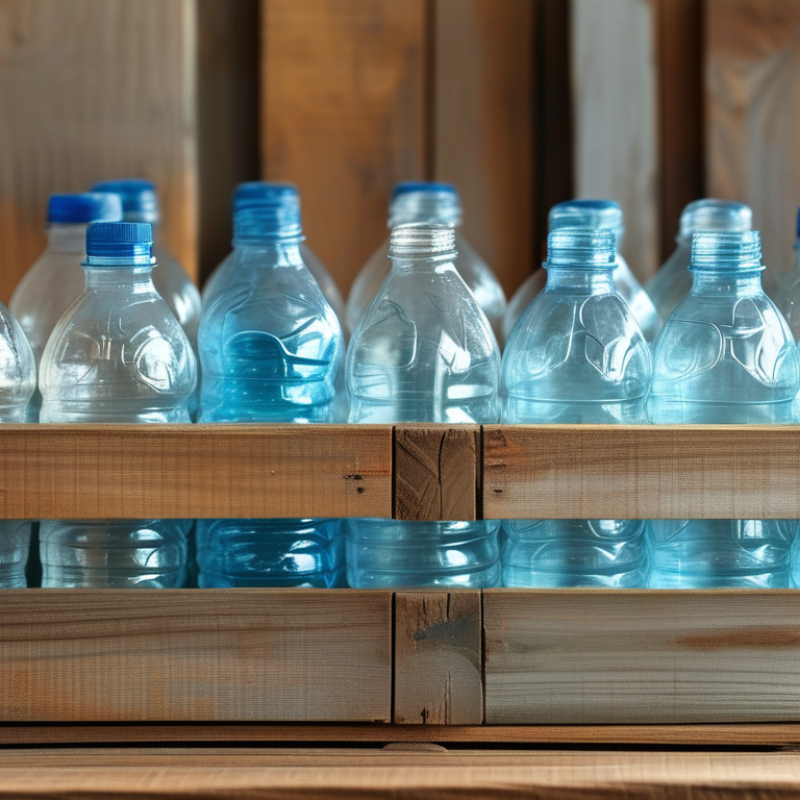
Choosing the right storage area for plastic bottles is essential for maximizing space efficiency in your home. Many households face challenges when it comes to organizing these items. According to a report by the Waste Management Industry, about 30% of plastic bottles are incorrectly stored, leading to wasted space and reduced accessibility.
A practical approach is to designate a specific area for storage. This could be a cabinet, shelving unit, or a dedicated corner in the garage. Ensure the area is clean and dry. Keep in mind that temperature fluctuations can affect the integrity of the plastic. A climate-controlled environment increases longevity.
Tips for storing plastic bottles include removing labels to save space. Also, group bottles by size and purpose—this makes retrieval easier. Utilize stackable bins for better organization. A survey highlights that homes that implement such strategies can save up to 20% more space. Reflect on your current setup; is it the most efficient use of your space? Reassessing storage solutions periodically can lead to better organization.
Cleaning and drying plastic bottles is essential for effective storage. Start by rinsing each bottle to remove any residue. Use warm, soapy water for better cleaning. Scrub the interior with a bottle brush to ensure thorough cleaning. Pay attention to the neck and bottom, where dirt often accumulates. After washing, rinse the bottles with clean water to eliminate soap.
Let the bottles air dry upside down. This method prevents water from pooling inside. You could speed up the drying process with a clean kitchen towel. Ensure they are completely dry before storage. Trapped moisture can lead to mold growth, making them unusable later. It’s beneficial to create a dedicated drying space to streamline this step.
When organizing dried bottles, consider stacking them if they are the same size. This technique saves space. If the bottles are of different sizes, consider nesting smaller bottles inside larger ones. However, be cautious of misplacing the lids or caps; they should be stored with their respective bottles. Planning your storage layout often requires reevaluation and adjustment for maximizing space.
Organizing plastic bottles by size and shape can significantly enhance storage efficiency. Many experts recommend categorizing bottles based on their dimensions. For instance, larger bottles should be stored together, allowing for optimal vertical space usage. Smaller bottles can fit into the gaps. This minimizes wasted space and ensures accessibility.
A study by the American Institute of Packaging revealed that organized storage can reduce retrieval time by up to 25%. When bottles are arranged systematically, it is easier to find specific ones. This may seem trivial, yet disorganization in storage leads to confusion and inefficiency.
Using uniform containers for smaller bottles can also help. These containers can stack neatly, creating a streamlined appearance. However, it is crucial to assess the effectiveness of this method regularly. Sometimes, even the best solutions might need tweaking. Over time, bottles may accumulate or change in shape. Keeping an eye on your storage system helps identify what works and what doesn’t.
Storing plastic bottles efficiently requires organization. Utilizing storage containers can make a significant difference in maximizing space. Clear bins work best. They allow you to see the contents easily. Stackable containers can save vertical space. Place smaller bottles inside larger ones to minimize wasted space.
Labels are essential for easy access. They not only help identify the contents but also encourage you to return bottles to their designated spots. Using simple tags can streamline the process. Consider labeling by size or type. This will prevent the frustration of searching through multiple containers.
Reflecting on how you store bottles can lead to improvements. Some may find they hoard bottles without a clear plan. Regularly assessing which bottles you use can reduce clutter. Embracing a more efficient approach will save time and effort. It’s about finding what works for you. Your space can become more functional with thoughtful organization.
| Storage Method | Container Type | Bottle Size (oz) | Labeling Tips | Space Efficiency Rating |
|---|---|---|---|---|
| Stacking | Clear Plastic Bin | 16 | Use large, clear labels on top | ★★★★☆ |
| Hanging | Wire Rack | 32 | Label each bottle type | ★★★★★ |
| Rolling | Storage Cart | 12 | Segment by size and function | ★★★★☆ |
| Nested | Stackable Containers | 8 | Use color coding for different types | ★★★☆☆ |
Storing plastic bottles can save space and keep your home organized. However, many bottles end up unused, cluttering our environments. Proper recycling is essential for reducing waste. Here are some practical tips.
Before recycling, rinse the bottles to remove residue. This step prevents contamination in the recycling process. Remove labels and caps, as they can complicate recycling efforts. Flatten the bottles if possible. This saves space in your recycling bin and makes transportation easier. Some local centers also accept flattened bottles, so check their guidelines.
If you find bottles that are too damaged for recycling, dispose of them responsibly. Take them to a designated waste disposal site. Explore creative ways to repurpose these bottles. They can be used for planters, bird feeders, or storage solutions. Reflect on your consumption habits, as many bottles are unnecessary. Aim to reduce single-use plastic in the first place. It's a small step toward a more sustainable lifestyle.
: Organize plastic bottles by size and shape. Group larger bottles together for better vertical space usage.
Organized bottles reduce retrieval time by up to 25%. It helps you find specific bottles easily.
Place smaller bottles into gaps or use uniform containers. This stacks neatly and improves appearance.
Yes, regular assessment is crucial. Over time, storage needs may change or bottles may accumulate.
Rinse bottles to remove residue before recycling. This prevents contamination during the recycling process.
Remove labels and caps. Flatten bottles to save space in the recycling bin for easier transport.
Dispose of them responsibly at a designated waste site.
Yes, unused bottles can be transformed into planters or storage solutions. Explore creative uses.
Reflect on your consumption habits. Aim to reduce single-use plastic whenever possible.
It's normal for storage solutions to need tweaking. Regularly check what works and what doesn’t.
When considering how to store plastic bottles correctly, it's essential to focus on maximizing space while maintaining organization. Start by choosing the right storage area that is cool and dry to prevent any deterioration of the plastic. Before placing the bottles into storage, ensure they are properly cleaned and thoroughly dried to avoid any unpleasant odors or mold growth.
Next, organize the bottles by size and shape, allowing for more efficient use of space. Utilizing storage containers and labeling them will make accessing the bottles easier when needed. Finally, don't forget to include tips for recycling and properly disposing of any unused plastic bottles, promoting a more sustainable approach to managing plastic waste. This comprehensive strategy will not only create a tidy storage area but also encourage responsible practices regarding plastic bottle use.
