Bluesky Bottle
Plastic waste is a pressing global issue. Over 300 million tons of plastic are produced yearly, and a significant portion becomes bottles. Recycling is often seen as a solution, but many wonder, "What happens to plastic bottles after recycling?" The journey of a recycled bottle is far from straightforward.
Experts like Dr. Sophia Miller, a leading figure in plastic recycling innovation, highlight the complexities of this process. She states, "Recycling plastic bottles can lead to new products, but it requires efficient systems and public participation." It's essential to understand that not every bottle is recycled equally. Some bottles are contaminated or not accepted by local facilities. Only about 30% of plastic bottles are effectively recycled into new bottles.
Moreover, the lifecycle of recycled plastic can pose obstacles. Many bottles are turned into fibers for clothing or carpeting, which may not be the ideal outcome. While some advances have been made, the recycling process is still flawed. The market for recycled products is inconsistent, leading to uncertainties within the industry. Understanding what happens to plastic bottles after recycling illuminates a critical aspect of environmental sustainability. There is room for improvement, and society needs to reflect on its recycling practices.
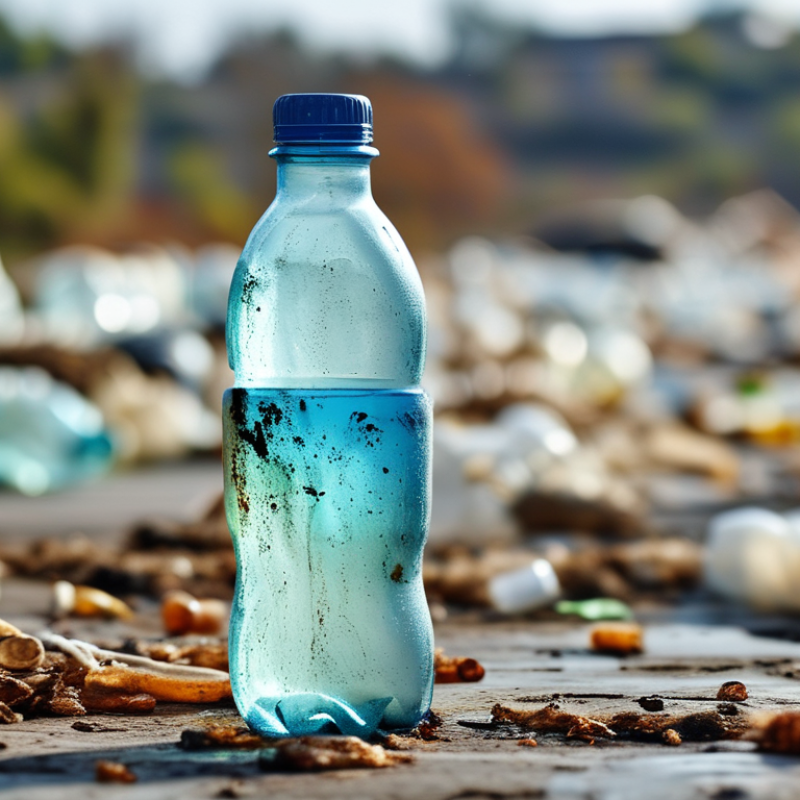
Plastic bottles embark on a complex journey once discarded. After consumers finish using them, these bottles often end up in recycling bins. According to the National Recycling Coalition, about 29% of plastic bottles were recycled in the U.S. in 2020. This indicates a pressing need for greater awareness and participation in recycling efforts.
Once collected, plastic bottles go through several processes. They are sorted at recycling facilities, where contaminants are removed. Many bottles are then shredded into small flakes. Some reports indicate that around 3 million tons of PET plastic are recycled each year in North America. However, not all recycled bottles make it back into production. Factors like contamination and market demand significantly impact the effectiveness of recycling.
Unfortunately, the journey does not always yield a sustainable outcome. Many plastic bottles are discarded improperly. This results in significant amounts ending up in landfills or oceans. The Ellen MacArthur Foundation states that only 14% of plastic packaging is recycled effectively. This reality underscores the need for an improved recycling infrastructure. Awareness and education are crucial to enhance participation and reduce the environmental footprint of plastic bottles.
| Step | Description | Estimated Time |
|---|---|---|
| Collection | Consumers return bottles to recycling bins or centers. | Immediate |
| Sorting | Bottles are sorted based on material type and color. | 1-2 days |
| Cleaning | Removed contaminants such as labels and residues. | 1-3 days |
| Shredding | Bottles are shredded into small flakes. | 1 day |
| Pelletizing | Shredded flakes are melted and formed into pellets. | 1-2 days |
| Manufacturing | Pellets are used to create new products, such as bottles or fabrics. | Variable |
The collection and sorting of plastic bottles are crucial initial steps in the recycling process. According to the Environmental Protection Agency (EPA), about 29% of plastic bottles are recycled in the United States. This indicates a significant gap, as millions of bottles still end up in landfills every year. Improved collection efforts could drastically increase this percentage.
In most communities, plastic bottles are collected through curbside recycling programs. However, not all residents participate fully. A report from the National Recycling Coalition states that contamination from non-recyclable items hinders sorting efficiency. Advanced sorting facilities use technologies like infrared sensors and automated systems. Yet, many facilities still rely heavily on manual labor, making the process can be slow and inconsistent.
Sorting plays a vital role because different plastics have unique properties. The most commonly recycled plastics include PET and HDPE, which have distinct recycling pathways. However, up to 25% of collected plastics may be incorrectly sorted or contaminated. This leads to wasted resources and economic losses for recyclers. Addressing these inefficiencies is essential for the overall health of recycling programs and the environment.
This chart illustrates the various stages in the recycling process of plastic bottles, from collection to sorting and the outcomes of those processes, indicating how many tons of plastic are processed effectively and how much ends up in landfills.
The recycling process for plastic bottles involves several critical stages that transform waste into reusable materials. Initially, collected bottles undergo sorting. Workers, often aided by machines, separate plastics by type and color. This is essential, as different plastics require different recycling processes. According to the Association of Plastic Recyclers, this sorting can increase recycling efficiency by 50%.
After sorting, bottles are cleaned to remove contaminants such as labels, caps, and leftover liquids. This step ensures that the recycled material is of high quality. Following this, plastics are shredded into small flakes, making them easier to melt down. A report from the National Recycling Coalition highlights that this reduction in size is crucial for effective processing. Unfortunately, not all bottles make it through this process. Approximately 30% of collected plastics are either not recyclable or end up in landfills due to contamination.
The final stage involves melting the plastic flakes to create pellets. These pellets can then be molded into new products. However, it is essential to note that recycling plastic does not always guarantee the materials will remain in use indefinitely. Quality degrades after each cycle, limiting the number of times plastics can be effectively recycled. In a world striving for sustainability, this limitation raises questions about our reliance on recyclable materials and the systems we currently have in place.
Recycling plastic bottles is more than just a green initiative; it represents a shift in how we perceive waste. After collection, these bottles undergo a rigorous process. They are cleaned, sorted, and then shredded into small flakes. This step is crucial. It helps ensure that impurities are removed, allowing for higher quality recycled materials.
The transformation of these recycled plastics into new products is fascinating. The small flakes can be melted down and molded into various items. For instance, they can become outdoor furniture, clothing, or even container packaging. However, the quality of recycled plastic can vary significantly. It often depends on the original material and the recycling process used. While some products can be created from high-quality recycled plastic, others may be of lower durability. This inconsistency raises questions about the effectiveness of recycling systems.
The journey of plastic bottles doesn't end at recycling. It challenges us to consider the entire lifecycle of products. As consumers, we must reflect on our choices and their environmental impacts. Ensuring that we support robust recycling efforts can lead to better outcomes. Yet, the reality remains that not all recycled items are created equal. Balancing sustainability with quality requires continuous improvement and dialogue within our communities.
Plastic recycling faces significant challenges. Most recycling plants can only process certain types of plastics. This limitation leads to a large portion of plastic waste ending up in landfills. While recycling technology improves, many facilities struggle with contamination and inefficiency. Contaminated plastics often get rejected, which wastes valuable resources.
Innovations are emerging to tackle these issues. Some companies develop smarter sorting technologies. These advancements help separate different plastic types more effectively. Others focus on creating biodegradable alternatives. Though these solutions show promise, they are not yet widely adopted.
Public awareness plays a crucial role in recycling. Many people still misunderstand plastics recycling. They often believe any plastic can be recycled. This misconception hinders progress. Encouraging proper sorting and reducing plastic use is essential. As technology advances, we must also change how we think about plastic.
: Plastic bottles often go into recycling bins after use, starting their recycling journey.
In 2020, about 29% of plastic bottles were recycled in the U.S., indicating a need for better efforts.
They are sorted to remove contaminants, then shredded into small flakes for further processing.
Contamination and market demand play significant roles in whether recycled bottles are reused.
Improper disposal often leads to many bottles ending up in landfills or oceans, worsening environmental issues.
After being cleaned and shredded, they can be melted down to create items like furniture or clothing.
The quality depends on the original material and the specific recycling process used during recovery.
Only 14% of plastic packaging is effectively recycled, highlighting the need for better infrastructure.
Consumers can enhance recycling outcomes by being more aware of their choices and supporting recycling initiatives.
Balancing sustainability and product quality remains a challenge that requires ongoing community dialogue and improvement.
The article "What Happens to Plastic Bottles After Recycling Explained" explores the entire lifecycle of plastic bottles from their initial usage to their eventual recycling. It begins by detailing the journey of these bottles, highlighting the crucial steps of collection and sorting, where they are separated from other waste materials. Following this, the recycling process is examined, illustrating how plastic materials are broken down into smaller components for repurposing.
Furthermore, the article discusses the transformation of these recycled plastics into new products, showcasing the creativity and efficiency of modern manufacturing techniques. Despite advancements, the piece acknowledges various challenges facing the plastic recycling industry, including contamination and the need for innovative practices. In essence, it provides a comprehensive overview of what happens to plastic bottles after recycling, shedding light on both the successes and obstacles in this essential environmental process.
