Bluesky Bottle
Plastic bottles look simple, yet their shelf life involves chemistry, packaging design, storage, and consumer habits. This article, “China Top 10 Plastic Bottle Makers: Why Do Bottles Expire?”, examines what really happens after the printed date. Why do plastic bottles expire? The answer is rarely a sudden transformation from safe to dangerous. Instead, heat, sunlight, oxygen, and long storage can gradually affect the bottle and its contents.
Dr. Andrew Whelton, a water-quality researcher, explains the practical point clearly: “An expiration date is generally a quality warning, not an instant safety deadline.” In a warm warehouse, for example, a bottle may face repeated temperature changes before reaching a supermarket shelf. Odors can develop. Taste may become flat or slightly plastic-like. Some plastics can also release trace substances more readily under intense heat, although the actual risk depends on the material, product, and storage conditions.
Manufacturers use controlled testing to estimate how long packaging can preserve freshness and performance. Reliable bottle makers also consider resin quality, cap design, sealing strength, and transportation conditions. Still, no date tells the whole story. A bottle stored in a cool, shaded room is not equal to one left beside a sunny window or inside a hot vehicle.
The details matter. The label matters too. Consumers should inspect leaks, swelling, unusual odors, and damaged seals. One uncomfortable truth remains: expiration guidance is useful, but it is not perfect. Better testing, clearer labeling, and more realistic storage data could improve trust across the plastic bottle industry.
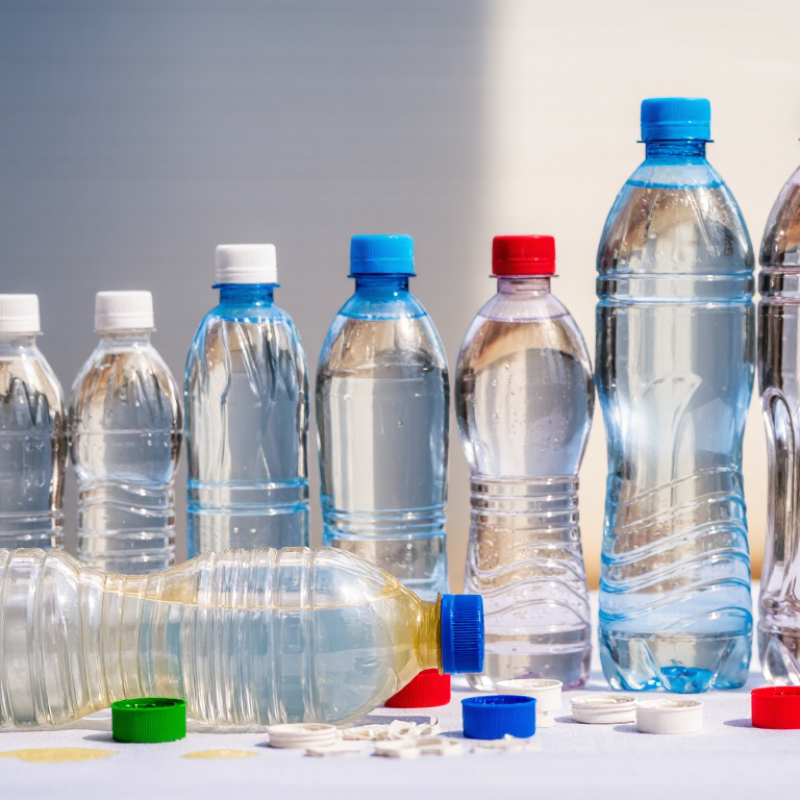
A plastic bottle manufacturer in China is more than a company with molding machines. It should control design, materials, production, inspection, and delivery. A capable factory can turn a drawing into a stable bottle through extrusion, injection, or blow molding. It also understands wall thickness, neck dimensions, closure fit, and filling-line performance. Small errors matter. A loose cap can cause leakage, while uneven walls may collapse during transport.
Reliable manufacturers document every production stage. They identify resin batches, mold settings, operators, and inspection results. They test bottle weight, drop resistance, sealing performance, and chemical compatibility. For food, cosmetic, and household applications, material declarations and controlled production areas are important. Buyers should request samples from regular production, not only attractive showroom pieces. That difference can reveal weak process control.
Bottles can also age. Heat, sunlight, oxygen, pressure, and unsuitable contents may weaken plastic over time. A professional manufacturer should explain expected storage conditions and recommend suitable materials. It should not promise unlimited shelf life. No factory gets every decision right. Even experienced teams may overlook a cap interaction or a transport vibration issue. Honest suppliers welcome corrective testing and keep records after improvements. Their authority comes from repeatable evidence, trained staff, transparent communication, and the ability to solve problems before shipment. The best definition is practical: a manufacturer makes consistent bottles, proves their performance, and accepts responsibility when the result needs improvement.
China’s top ten plastic bottle makers represent different strengths rather than one identical production model. One focuses on lightweight PET bottles for beverages. Another produces thick HDPE containers for household liquids. A third develops PP bottles that tolerate moderate heat. Two manufacturers specialize in narrow-neck designs and accurate dispensing. Others offer cosmetic packaging, industrial containers, medical-use packaging, and large-volume bottles. Several provide custom molds, short development cycles, and stable high-speed production.
Their stronger facilities usually combine automated molding, vision inspection, and batch traceability. Operators check neck dimensions, wall thickness, sealing performance, and drop resistance. I have found that small neck defects often create larger filling problems later. It sounds minor. It is not. Reliable makers also test material compatibility with oils, alcohol-based formulas, acidic liquids, and cleaning agents. Recycled resin can reduce material use, but its color and consistency require closer control.
Bottles can still age after production. Sunlight, heat, oxygen, repeated stress, and unsuitable contents may weaken plastic or change its appearance. A bottle may look acceptable while losing flexibility or sealing accuracy. Date marking should therefore consider the material, closure, contents, storage temperature, and transport conditions. Some suppliers provide technical data, samples, and production records, but buyers should verify them independently. Specifications are useful. Real testing is better.
Plastic bottles do not have a universal expiration date. Their performance gradually changes because of heat, ultraviolet light, oxygen, mechanical stress, and chemical interaction with the packaged product. The chart compares the typical densities of widely used bottle materials, a basic physical property that influences weight, rigidity, and packaging design.
Plastic bottle production starts with PET resin pellets, not finished containers. Factories dry the pellets, inject them into preforms, then stretch-blow them with filtered, heated air. This two-step process aligns polymer chains, improves strength, and reduces material use. PlasticsEurope’s Plastics—The Fast Facts 2024 reports that packaging represented 39.6% of European plastics demand in 2023. That scale makes process discipline essential.
Operators measure preform weight, neck dimensions, wall thickness, clarity, and color. Automated cameras detect black specks, short shots, dents, and damaged threads. Pressure or vacuum tests expose tiny leaks, while torque checks confirm cap fit. Laboratories examine migration, acetaldehyde, oxygen transmission, and resistance to heat and light. The 2023 NAPCOR PET Recycling Report recorded about 1.9 billion pounds of PET bottles collected in the United States. Recycled material therefore needs careful incoming inspection. No camera catches everything.
The word “expire” needs care. PET does not suddenly become unsafe on a calendar date. Heat, sunlight, oxygen, and repeated stress can gradually reduce packaging performance. A bottle left inside a hot truck may age faster than expected. Shelf-life dates usually reflect the filled product, closure, storage conditions, and validation testing. ASTM D3985 testing can measure oxygen transmission, but real warehouses are less controlled. A perfect inspection plan is still an assumption. Small defects matter.
| No. | Bottle Category | Common Polymer | Typical Manufacturing Process | Main Quality-Control Checks | Why Performance Can Decline | Typical Storage Guidance |
|---|---|---|---|---|---|---|
| 1 | Carbonated beverage bottle | PET | Injection-molded preform followed by stretch blow molding | Preform weight, wall-thickness distribution, bottle volume, leak resistance, top-load strength, pressure or burst performance | Carbon dioxide gradually permeates through the polymer; heat, sunlight, scratches and excessive pressure can reduce package performance | Keep in a cool, dry place away from direct sunlight and heat; follow the filled product’s date marking |
| 2 | Still-water bottle | PET | Injection stretch blow molding, often using a lightweight preform | Appearance, clarity, acetaldehyde control, cap fit, seal integrity, drop resistance and dimensional inspection | Ultraviolet exposure and elevated temperature may accelerate discoloration, deformation or migration of trace substances | Store below high heat, protect from sunlight and avoid prolonged storage in vehicles or hot warehouses |
| 3 | Hot-fill juice bottle | Heat-set PET or PP | Heat-set stretch blow molding or injection blow molding | Heat-resistance test, vacuum-panel performance, dimensional stability, seal integrity and thermal-cycle testing | Repeated heating and cooling can create paneling, warpage, stress cracking or seal distortion | Use only within the validated filling and storage temperature range specified for the package |
| 4 | Milk and dairy bottle | HDPE or opaque multilayer HDPE | Extrusion blow molding | Resin identification, wall thickness, handle strength, leak testing, opacity, cap torque and hygiene controls | Light and oxygen can affect sensitive dairy products; heat may soften or deform the container | Keep refrigerated when required by the filled product and avoid freezing unless validated |
| 5 | Household cleaner bottle | HDPE, PP or PET | Extrusion blow molding, injection molding or injection stretch blow molding | Chemical compatibility, stress-crack resistance, leak testing, closure torque, drop testing and label adhesion | Surfactants, solvents, acids or alkalis may cause swelling, permeation, embrittlement or environmental stress cracking | Store upright, closed and away from incompatible chemicals, freezing conditions and excessive heat |
| 6 | Cosmetic and personal-care bottle | PET, HDPE, PP or multilayer plastic | Injection blow molding, extrusion blow molding or injection molding | Color and gloss, dimensional accuracy, pump or cap operation, compatibility, odor, leakage and appearance inspection | Fragrance oils, alcohols and active ingredients can interact with the polymer, closure or decoration over time | Protect from heat and light; the product’s stability period is determined by its formulation and packaging system |
| 7 | Edible-oil bottle | PET or HDPE | Injection stretch blow molding or extrusion blow molding | Chemical compatibility, oxygen and light protection, seal integrity, paneling resistance and dimensional checks | Oxygen and light primarily affect the oil; the container may also absorb or transmit volatile components | Store tightly closed in a cool, dark location and follow the filled product’s use-by guidance |
| 8 | Pharmaceutical liquid bottle | HDPE, PET or PP | Injection blow molding, extrusion blow molding or injection molding | Container-closure integrity, extractables and leachables assessment, dose accuracy, cleanliness and compatibility testing | Moisture, oxygen, light, adsorption or chemical migration can affect the medicine’s stability | Follow the labeled storage conditions; do not transfer the contents to an unvalidated container |
| 9 | Industrial chemical bottle | HDPE, PP, fluorinated HDPE or multilayer plastic | Extrusion blow molding with specialized barrier treatment when required | Chemical compatibility, permeation, stress cracking, hydrostatic or leak testing, closure performance and drop resistance | Chemical exposure, ultraviolet radiation and mechanical stress can weaken the bottle or closure | Use the compatibility data for the exact formulation; store upright in a ventilated, temperature-controlled area |
| 10 | Reusable household bottle | HDPE, PP or copolyester | Injection molding, blow molding or injection stretch blow molding | Cycle testing, hinge and cap durability, dishwasher or thermal testing when applicable, leak testing and visual inspection | Repeated washing, abrasion, heat and ultraviolet exposure can cause scratches, odor retention, deformation or fatigue | Replace when cracked, heavily scratched, deformed or difficult to clean; follow the manufacturer’s validated reuse limits |
A plastic bottle does not suddenly become unsafe on a printed date. The contents change first. The U.S. Food and Drug Administration does not require expiration dates for bottled water, although manufacturers often add them for quality control. This date reflects taste, odor, packaging performance, and storage conditions.
Heat matters. A bottle left inside a parked car can become warm for hours, accelerating chemical migration and flavor changes. The World Health Organization recommends protecting packaged drinking water from sunlight, high temperatures, and contamination. Once opened, contact with hands, air, and household surfaces creates a different risk. Refrigeration helps, but it cannot reverse exposure.
The packaging industry also measures what happens after disposal. NAPCOR’s 2022 PET Recycling Report recorded a 28.9% U.S. PET bottle recycling rate. That figure reminds us that bottle design, collection, and material quality remain practical concerns, not just laboratory topics. PET is lightweight and widely used, yet no container is perfectly inert forever.
The weak point is obvious. A date cannot see your storage shelf. It cannot detect a damaged cap or a bottle stored beside chemicals. For unopened water, the date usually signals expected quality. For opened contents, personal handling becomes more important. Manufacturers should explain this distinction more clearly. Consumers, including me, sometimes treat the printed date as absolute when it is only one piece of evidence.
Plastic bottles do not expire like milk. However, heat, sunlight, and repeated use can weaken plastic and affect the contents. Small scratches may trap bacteria after poor cleaning. A bottle with a strange smell, cloudy surface, sticky feel, or cracks needs replacement. Age matters less than condition and use. That distinction is often missed. If a manufacturer provides a use-by recommendation, follow it carefully.
Store bottles empty, clean, and completely dry. Keep them in a cool, shaded cupboard, away from radiators, windows, fuel, and strong chemicals. Prolonged heat can deform plastic and reduce its material stability. Do not leave a filled bottle in a hot car. For reuse, choose a durable bottle designed for repeated washing. Wash it daily with warm water and mild dish soap. Air-dry it with the cap separate. I sometimes rush this step, and that is exactly when odor returns.
Never share a bottle during illness. Replace it when cleaning cannot remove residue or damage. When disposal is necessary, empty the bottle and follow local recycling instructions. Some systems require caps attached; others separate them. Do not burn plastic. Do not place liquid-filled bottles in recycling bins. A quick rinse helps, but recycling rules vary by material and location. Check the resin code and local guidance instead of guessing. That small pause improves safety and recycling quality.
It should manage design, materials, molding, inspection, and delivery. It must turn drawings into stable bottles. Small defects matter.
Common methods include extrusion, injection, and blow molding. The suitable method depends on bottle shape, material, neck design, and production volume. Process choice affects strength and consistency.
Inspect wall thickness, neck dimensions, bottle weight, and closure fit. A loose cap may cause leakage. Uneven walls can collapse during transport.
Request samples from regular production, not only showroom samples. Ask for resin batch records, mold settings, operator details, and inspection results. Documents reveal process discipline. Pictures are not enough.
Useful tests include drop resistance, sealing performance, weight checks, and chemical compatibility. Test bottles with their intended contents. Real testing is better.
PET may suit lightweight beverage containers. HDPE can support thicker household-liquid bottles. PP may tolerate moderate heat. Material selection still requires testing.
Recycled resin can reduce material use and environmental pressure. However, its color and consistency need closer control. Check appearance, strength, and batch stability before full production.
Heat, sunlight, oxygen, pressure, and repeated stress may weaken plastic. Oils, acidic liquids, alcohol-based formulas, and cleaners may also affect performance. A bottle can look fine while losing flexibility. Ageing is easy to underestimate.
It should record the issue, investigate the cause, and repeat corrective testing. A neck defect may appear minor but disrupt filling later. No factory is perfect. Honest communication matters.
China’s plastic bottle manufacturing industry includes companies that design, mold, produce, and test containers for beverages, food, cosmetics, household products, and industrial applications. Leading manufacturers typically distinguish themselves through material selection, precision molding, lightweight designs, custom shapes, recycled-content options, and reliable production capacity. The manufacturing process generally includes resin preparation, injection molding of preforms, stretch blow molding, trimming, printing or labeling, and inspection. Quality control may check dimensions, wall thickness, sealing performance, appearance, cleanliness, and resistance to pressure or impact.
Why do plastic bottles expire? Plastic itself does not suddenly become unsafe on a specific date, but bottles can gradually lose strength, clarity, or flexibility because of heat, sunlight, oxygen, repeated use, and chemical contact. More importantly, the contents may deteriorate or become contaminated over time. Bottles should therefore be stored in cool, dry places away from direct sunlight, used according to their intended purpose, and not repeatedly reused unless designed for it. Damaged or worn containers should be discarded and recycled through appropriate local systems.
